Health and Safety Policy for Cleaners Canary Wharf
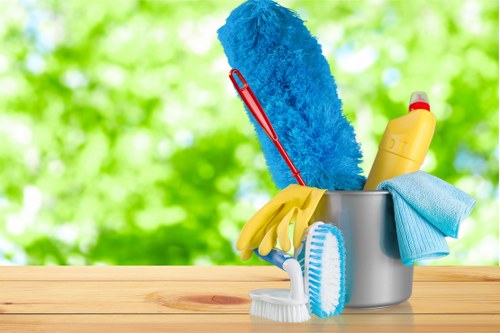 This Health and Safety Policy sets out the standards and responsibilities that support safe, consistent, and professional cleaning services for clients who rely on Cleaners Canary Wharf. Our approach is built on prevention, awareness, and proper control of risks. Every cleaner is expected to work carefully, follow agreed procedures, and take reasonable steps to protect themselves, clients, building users, and visitors.
The purpose of this policy is to promote a safe working environment across all cleaning tasks. Health and safety is not treated as a separate activity; it is part of everyday cleaning practice. We recognise that cleaning work may involve wet floors, chemicals, manual handling, electrical equipment, sharp objects, and access to busy premises. For that reason, all staff are instructed to act responsibly, remain alert, and report any hazards without delay.
Our commitment includes compliance with relevant legal duties, good working practices, and internal procedures. The policy applies to all cleaning operatives, supervisors, and anyone carrying out services on behalf of Canary Wharf cleaners. It also applies to subcontracted work where used. The goal is to reduce avoidable accidents, prevent ill health, and maintain a service that is both efficient and safe.
Responsibilities and Safe Working Standards
All personnel must understand their responsibilities. Managers are responsible for providing suitable information, training, supervision, and safe equipment. Cleaners are responsible for using that instruction correctly, following site-specific requirements, and working within their competence. If a task appears unsafe, it must be paused until it can be assessed or supported properly.
To support safe practice, cleaning health and safety procedures include:
- Using equipment only for its intended purpose
- Checking tools and materials before use
- Keeping work areas tidy and free from unnecessary obstructions
- Displaying warning signs where floors may be slippery
- Reporting damaged equipment, leaks, or broken fittings immediately
 Personal conduct is also important. Cleaners are expected to avoid rushing, take care when working around others, and use suitable footwear and protective clothing. Good communication helps prevent incidents, especially when multiple tasks are being completed at the same time or when cleaning must be carried out in occupied spaces.
Risk Control, Training, and Equipment
Risk assessments are carried out to identify hazards and decide on sensible control measures. These assessments consider the environment, the task, the equipment used, and the people present. Where needed, additional measures are introduced, such as restricting access, improving ventilation, adjusting work methods, or using safer products.
Training is a key part of this policy. Staff receive information on safe chemical use, correct dilution, manual handling, emergency procedures, and the proper handling of waste. Refresher instruction is provided when work methods change or when a risk review shows that further support is needed. In this way, professional cleaners Canary Wharf can maintain high standards while reducing injury and exposure risks.
We also require regular inspection and maintenance of equipment. Vacuum cleaners, mops, extension leads, warning signs, and other cleaning tools must be in good working condition. Defective items must be removed from use until repaired or replaced. Where electrical equipment is used, basic visual checks are essential before each shift, and any signs of damage must be treated seriously.
Safe Use of Chemicals and Materials
Cleaning products must be stored, labelled, and handled responsibly. Staff should read instructions, use the correct dilution, and avoid mixing products unless specifically permitted. Gloves, eye protection, or other personal protective equipment may be required depending on the product and task. Where possible, safer alternatives are preferred to reduce exposure to harmful substances.
Spills, splashes, and accidental contact must be managed promptly. If a chemical is inhaled, swallowed, or comes into contact with skin or eyes, first aid procedures should be followed immediately and the incident reported. Materials and waste must be handled in a way that avoids contamination and supports a clean, orderly workplace. Attention to detail is essential when maintaining hygiene standards in shared or high-traffic environments.
 Waste disposal must follow agreed procedures, including segregation where required and the safe removal of sharp or hazardous items. Any found items that could cause injury, such as broken glass or exposed needles, must not be handled without proper protection and instruction. The safest response is to isolate the area and escalate the issue at once.
Accidents, Emergencies, and Monitoring
All accidents, near misses, and unsafe conditions must be reported and recorded. Reporting helps us learn from incidents and improve controls before harm occurs again. Supervisors review reports and may update methods, equipment, or training based on findings. This review process supports continuous improvement and reinforces a strong cleaning and safety policy culture.
In an emergency, staff should remain calm, follow site instructions, and seek assistance where required. This may include evacuation, isolating a hazard, protecting others from harm, or contacting the appropriate emergency services. Cleaners must know the location of relevant exits, first aid arrangements, and any special procedures that apply to the premises they are working in.
Monitoring is conducted through routine checks, supervision, and periodic policy review. Our aim is to ensure that standards remain practical, up to date, and effective. Where risks change, the policy will be revised to reflect current needs and to keep all workers informed of their duties.
Final Commitment
 This policy reflects our commitment to safe, reliable, and responsible cleaning services. We believe that a secure workplace benefits everyone and strengthens the quality of the service delivered. By combining training, care, communication, and proper control measures, Canary Wharf cleaning services can operate with professionalism and confidence.
Every cleaner is expected to work safely at all times, follow the rules in place, and contribute to a positive safety culture. Health and safety is a shared responsibility, and its success depends on consistent action, good judgement, and respect for the working environment.
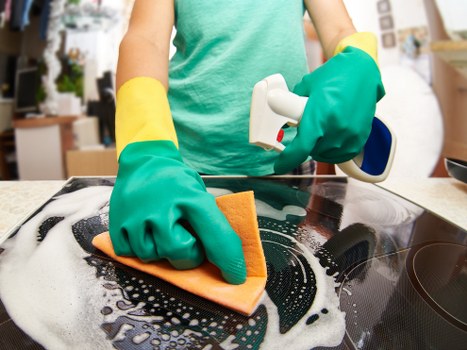 Through careful planning and disciplined practice, cleaners in Canary Wharf can complete their duties effectively while protecting themselves and others. This policy remains the foundation for safe working, helping ensure that every task is carried out with the attention and standards it deserves.