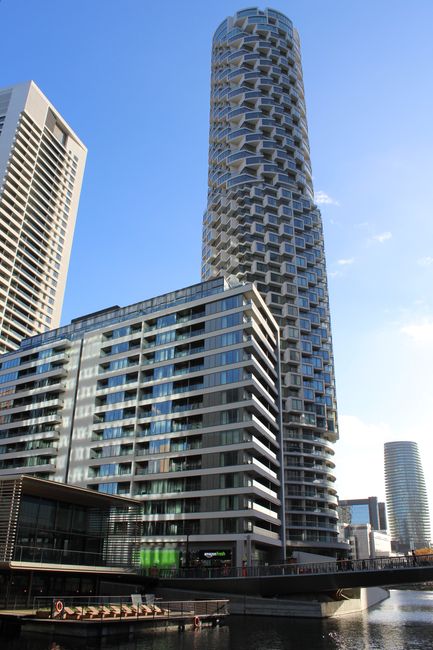
Balcony and terrace cleaning Marsh Wall Canary Wharf
If your balcony has started to look a bit tired, or your terrace has picked up the usual mix of dust, pigeon mess, algae, water marks, and city grime, you are not alone. In Marsh Wall and the wider Canary Wharf area, outdoor spaces work hard all year round. Balcony and terrace cleaning Marsh Wall Canary Wharf is not just about making things look nice for the weekend; it helps protect surfaces, improve safety underfoot, and keep the space pleasant enough to use properly again.
In this guide, we will walk through what professional cleaning actually involves, why it matters in a riverside urban setting, how the process works, and when it makes sense to bring in a specialist rather than tackling it yourself. We will also cover best practices, common mistakes, and the small details that often make the biggest difference. Truth be told, outdoor cleaning is one of those jobs that looks simple until you start moving furniture around and realise how much has built up underneath.
Table of Contents
- Why Balcony and terrace cleaning Marsh Wall Canary Wharf Matters
- How Balcony and terrace cleaning Marsh Wall Canary Wharf Works
- Key Benefits and Practical Advantages
- Who This Is For and When It Makes Sense
- Step-by-Step Guidance
- Expert Tips for Better Results
- Common Mistakes to Avoid
- Tools, Resources and Recommendations
- Law, Compliance, Standards, or Best Practice
- Options, Methods, or Comparison Table
- Case Study or Real-World Example
- Practical Checklist
- Conclusion
- Frequently Asked Questions
Why Balcony and terrace cleaning Marsh Wall Canary Wharf Matters
Balconies and terraces in Canary Wharf are exposed to a very specific blend of grime. There is the obvious London dust, of course, but also wind-driven debris, moisture from rain, splashback from neighbouring surfaces, and a fair bit of foot traffic if the space is used regularly. If your home or building sits near busy roads or tall glass-fronted developments, dirt tends to settle quickly and stay put.
Regular outdoor cleaning matters for a few reasons. First, it helps surfaces last longer. Stone, porcelain, timber decking, composite boards, metal railings, and outdoor tiles all behave differently when dirt, algae, and standing water are left to linger. Second, it improves safety. Slippery patches on a terrace after rain are not just annoying; they can be a genuine trip hazard. And third, it keeps the space usable. A balcony full of dried leaves, staining, and bird droppings does not invite anyone to sit out with a morning coffee.
There is also the simple matter of presentation. In developments around Marsh Wall, balconies are highly visible. Whether you are a homeowner, tenant, landlord, or property manager, the outside of the property influences how the whole place feels. A clean terrace can make a flat feel brighter, calmer, and better cared for. Small thing? Maybe. But it is the sort of small thing you notice every day.
For many residents, outdoor cleaning also fits neatly alongside broader home care. If the rest of the property is being refreshed, it makes sense to pair balcony cleaning with window cleaning or a wider deep cleaning visit so the whole space feels consistent rather than half-done.
How Balcony and terrace cleaning Marsh Wall Canary Wharf Works
A proper balcony or terrace clean is usually more careful than people expect. The aim is not to blast everything with water and hope for the best. It is to match the method to the surface and the level of soiling. That distinction matters a lot. A delicate stone terrace needs a different approach from a hard-wearing tiled balcony, and a timber deck needs gentler treatment still.
The process usually begins with inspection. That means checking what the surface is made of, looking for staining, algae, moss, mould growth, paint marks, rust spots, and any damaged grout or loose fittings. In a Canary Wharf flat, there may also be drainage considerations, especially if the balcony has a narrow outlet or if furniture has trapped dirt around the edges.
After that, the cleaner clears loose debris. This is often the most satisfying step, oddly enough. Leaves, grit, pollen, cigarette ends, and random windblown bits tend to collect in corners and against railings. Then comes the targeted cleaning stage: sweeping, scrubbing, applying suitable outdoor detergent, rinsing carefully, and treating specific marks where needed.
For some terraces, a specialist method is used for hard flooring or outdoor stone, particularly where grime has become embedded. Services such as hard floor cleaning and patio cleaning are especially relevant if the outdoor area has stubborn staining or a rough surface that holds dirt.
Railings, balustrades, and glass screens are usually cleaned separately so residue does not run back onto the main floor. If the terrace has nearby exterior glazing, that is often handled as a finishing step with window cleaning so the whole area feels crisp rather than just brushed up.
Key Benefits and Practical Advantages
There are a few benefits that come up again and again, and they are more practical than fancy.
- Better safety: Removing algae, damp buildup, and loose grit reduces the chance of slips and trips.
- Longer surface life: Dirt and moisture can wear materials down over time, especially around joints and edges.
- Improved appearance: A clean balcony makes the whole property feel looked after.
- More usable outdoor space: You are far more likely to actually sit outside if the space feels fresh.
- Odour control: Outdoor grime, bins, and organic residue can create lingering smells on warmer days.
- Better impression for guests or tenants: This matters if the property is rented out, listed short-term, or shown during viewings.
There is also a quieter benefit: peace of mind. You stop glancing at the balcony and thinking, "I really should deal with that." That alone is worth something. Let's face it, the job is not glamorous, and it keeps getting pushed back until the weather is nice enough to notice it again.
If the outdoor area is part of a move, tenancy change, or property refresh, it can be sensible to combine it with move-out cleaning, move-in cleaning, or even end of tenancy cleaning so the exterior and interior feel aligned.
Who This Is For and When It Makes Sense
This kind of cleaning is useful for more people than you might think. It is not just for luxury apartments with big terraces. In Marsh Wall and Canary Wharf, many balconies are compact, but still exposed to weather and city grime every single day.
You may need balcony or terrace cleaning if you are:
- a homeowner who wants to keep an outdoor area inviting
- a tenant preparing for inspections, move-out, or guest use
- a landlord maintaining presentation and reducing wear
- a property manager handling shared or private outdoor spaces
- a short-let host trying to keep the balcony guest-ready
- someone dealing with repeated bird mess, stains, or damp patches
It also makes sense after certain events. A spring clean is an obvious one, but so is the end of a renovation, a long wet winter, or a stretch of heavy use during summer. Outdoor spaces pick up different kinds of dirt depending on the season. In spring, it is pollen and dust. In autumn, leaves and mud. In winter, moisture and slippery residue. There is always something.
If the terrace has been affected by building work nearby, fine dust can settle everywhere. In those cases, a more detailed service like after builders cleaning may be the better fit, especially if the balcony is not the only surface that needs attention.
Step-by-Step Guidance
If you are planning to clean a balcony or terrace yourself, a structured approach keeps the job safer and more effective. Here is the method we would normally recommend.
- Clear the area first. Move furniture, planters, storage boxes, and loose items. Check the undersides too. Dirt hides under everything.
- Dry sweep or vacuum loose debris. Remove grit, leaves, and dust before adding water. If you skip this, you usually just make mud.
- Inspect the surface. Look for cracks, loose tiles, damaged grout, flaking coatings, or water pooling. If something looks off, pause before scrubbing hard.
- Choose the right cleaner. Use a product suitable for the material. Timber, natural stone, composite decking, and porcelain are not all treated the same way.
- Work from top to bottom. Clean railings, screens, and ledges first, then the floor. That way, drips do not undo your work.
- Scrub stubborn marks carefully. Use a soft or medium brush rather than anything harsh that could damage the finish.
- Rinse in a controlled way. Avoid flooding the area. Watch where the water goes, especially on higher floors.
- Let the space dry properly. Then replace furniture only when the surface is safe and dry underfoot.
If you are cleaning at height, using water near electrics, or dealing with delicate finishes, it is usually smarter to ask a professional to handle it. A balcony is a small area, yes, but small does not automatically mean simple.
Expert Tips for Better Results
A few small choices can make a surprisingly big difference. In our experience, the best balcony and terrace cleans are rarely the most aggressive ones. They are the well-planned ones.
- Test products in a discreet patch first. This is especially important on stone and coated surfaces.
- Clean on a dry or mildly overcast day. Direct sun can dry products too fast and leave marks behind.
- Pay attention to corners and edges. That is where grime settles and where cleaning is often rushed.
- Use microfibre cloths for glass and rails. They leave less lint and make the finish sharper.
- Check drainage while cleaning. Water should leave the area freely, not sit in puddles.
- Refresh the space monthly if it is used often. Short maintenance cleans are easier than one huge rescue job later.
One of the best little habits is to do a quick check after heavy rain. Not a full clean, just a glance. You will spot pooling water, new staining, or debris before it becomes a bigger headache. It takes thirty seconds. Sometimes less.
Expert summary: The safest and most effective balcony or terrace clean is the one that matches the surface, manages water carefully, and treats drainage as part of the job, not an afterthought.
Common Mistakes to Avoid
Most balcony cleaning problems come from going too hard, too fast. Easy to do. Less easy to undo.
- Using a pressure washer without checking the surface. This can damage grout, force water into joints, or mark softer materials.
- Applying bleach to everything. It is not a universal fix and can damage finishes or nearby plants.
- Forgetting drainage outlets. Leaves and silt can block flow and create standing water.
- Scrubbing with abrasive pads. They can leave visible scuffs, especially on glossy tiles or glass.
- Cleaning around furniture instead of moving it. Hidden dirt is still dirt.
- Ignoring safety near edges. On higher floors, this really matters. A wet floor and a distracted cleaner are not a great combination.
A quieter mistake is underestimating drying time. A terrace can look clean but still be slippery. That catches people out more often than you would think, especially after early-morning cleaning when the light is soft and everything seems fine.
Tools, Resources and Recommendations
You do not need a huge toolkit, but the right equipment helps a lot. For routine balcony care, the basics are usually enough.
- soft broom or dustpan and brush
- microfibre cloths
- bucket and mop
- gentle outdoor cleaner suitable for the surface
- soft brush for corners and grout lines
- rubber gloves
- non-slip footwear
- deck-safe or stone-safe cleaning solution, depending on the finish
If the surface has heavy staining or years of buildup, specialist help may be more efficient than trying to buy a solution for every problem. For example, one-off cleaning can work well when the balcony needs a proper reset rather than routine maintenance.
And if the exterior space has tough marks from weathering, grease, or repeated foot traffic, services like stain removal or regular cleaning may be the more realistic long-term plan. The main thing is to avoid using one product or one method everywhere. That is where most self-cleaning jobs go sideways.
Law, Compliance, Standards, or Best Practice
For balcony and terrace cleaning, the most relevant guidance is usually about safety, property care, and responsible use of cleaning methods rather than anything highly technical. If you are in a shared building, leasehold setting, or managed development, there may also be building rules about water use, waste disposal, access, and working at height.
Good practice in the UK generally means avoiding unnecessary runoff, using cleaning products responsibly, and taking care not to create hazards for neighbours or people below. On upper floors, water management matters more than people expect. You do not want runoff carrying dirt onto lower balconies, windows, or communal areas.
If a professional cleaner is involved, it is sensible to look for clear insurance arrangements, a sensible health and safety approach, and transparent booking terms. Pages such as insurance and safety, health and safety policy, and terms and conditions help set expectations before work begins.
There is also a practical sustainability angle. Outdoor cleaning does not need to be wasteful. Measured water use, recyclable packaging where possible, and choosing the least aggressive effective method are all sensible habits. If that matters to you, the company's recycling and sustainability approach is worth reviewing.
Options, Methods, or Comparison Table
Not every balcony needs the same level of treatment. Here is a simple comparison to help you decide what is appropriate.
| Method | Best for | Pros | Watch-outs |
|---|---|---|---|
| Basic sweep and wash | Light dust, everyday dirt, quick refresh | Fast, low cost, good for maintenance | May not lift ingrained stains or algae |
| Manual deep clean | General grime, railings, corners, small terraces | Controlled, surface-safe, detailed | Takes more time and effort |
| Specialist patio-style clean | Stone, tile, terrace flooring with heavy buildup | Better for embedded dirt and stains | Needs correct product and method |
| Professional balcony restoration clean | Persistent grime, moss, bird mess, or post-build residue | Most thorough and efficient | Usually costs more than DIY |
If you are deciding between DIY and professional help, ask yourself one simple question: do you need the balcony to look a bit better, or do you need it properly reset? That answer usually tells you everything.
Case Study or Real-World Example
Imagine a terrace on a mid-level Canary Wharf flat after a wet, windy spell. The owner has kept it tidy enough on the surface, but the corners are dark with damp residue, the glass balustrade has streaking, and there is a faint earthy smell from trapped debris around planters. Nothing dramatic. Just enough to make the space feel unfinished.
A sensible clean would begin with moving the furniture and plants, clearing the drainage points, and sweeping up loose grit. The glass and metal railings would be cleaned first so drips do not end up back on the floor. Then the floor would be treated with a suitable cleaner based on the surface type, followed by a careful rinse and dry. If there were stubborn marks around the planters, those would be handled separately rather than scrubbed at random.
After that, the terrace would look brighter, sure. But more importantly, it would feel usable. That is the real win. Not showroom perfection. Just a space you would actually want to step out into with a cup of tea before the day gets noisy.
In some properties, the same visit might also include nearby indoor support such as domestic cleaning or house cleaning, especially if the outdoor area is part of a broader reset before guests arrive or after a long busy season.
Practical Checklist
Use this before you start, or before you book a cleaner. It keeps things simple.
- Identify the balcony or terrace surface type
- Check for cracks, loose tiles, or damaged grout
- Move furniture, planters, and loose items
- Clear drainage outlets and corners
- Choose a surface-appropriate cleaner
- Protect nearby plants, fabrics, and electrical points
- Clean railings, screens, and ledges before the floor
- Rinse carefully and avoid flooding
- Allow enough drying time before use
- Recheck for slips, streaks, or missed patches
Quick note: if you cannot tell what the surface is made of, or if there is visible damage, stop and reassess. Guessing is rarely the best strategy. Not on a balcony, anyway.
Conclusion
Balcony and terrace cleaning Marsh Wall Canary Wharf is really about more than appearances. It protects surfaces, reduces slip risks, keeps outdoor space usable, and helps a property feel cared for. In a part of London where balconies are exposed to weather, dust, and daily urban buildup, regular attention goes a long way. A light clean can keep things fresh. A deeper clean can bring a tired terrace back to life.
The main takeaway is simple: match the method to the material, do not rush the drainage and drying, and treat stubborn staining properly rather than hoping it disappears on its own. If the job feels bigger than a straightforward tidy-up, bringing in a specialist is often the calmer, safer, and more cost-effective move in the long run.
If your balcony or terrace has been quietly getting worse for a while, now is a good moment to deal with it. Small effort, big difference.
Get a free quote today and see how much you can save.
Frequently Asked Questions
How often should a balcony or terrace be cleaned?
For most properties, a light clean every few weeks and a deeper clean every few months works well. If the space is exposed to heavy traffic, birds, trees, or frequent rain, it may need attention more often.
Can I use a pressure washer on my terrace?
Sometimes, but not always. It depends on the surface and the condition of the joints or finish. On delicate stone, loose grout, or timber, high pressure can do more harm than good.
What is the best cleaner for balcony flooring?
The best cleaner depends on the material. Porcelain, stone, composite decking, and timber each need different products. A gentle, surface-specific cleaner is usually the safest starting point.
Will balcony cleaning remove green algae and slippery patches?
Yes, if the right method is used. Algae and damp residue usually respond well to a targeted clean, though heavily affected areas may need repeat treatment or specialist care.
Is balcony cleaning safe in a high-rise building?
It can be, provided the cleaner follows sensible safety procedures, avoids runoff, and works carefully around edges and drainage points. On higher floors, caution matters a lot.
Do I need to move furniture before cleaning the terrace?
Yes, ideally. Cleaning around furniture leaves dirt hidden underneath and makes the job less effective. Moving everything also gives you a chance to inspect the whole surface properly.
Can balcony cleaning help with bad smells?
It often can. Outdoor odours usually come from damp buildup, organic debris, drains, or residue around bins and planters. Removing the source usually freshens the area noticeably.
What should I do if my balcony has drainage problems?
Check for visible blockages first, such as leaves or grit. If water is still pooling, the issue may be structural or related to the floor slope, and it is worth getting it looked at before deeper cleaning.
Is terrace cleaning suitable for end of tenancy work?
Yes, and it can make a real difference during inspections. A clean terrace or balcony helps the property look more complete and can support a better overall presentation at handover.
How long does a balcony clean usually take?
It depends on size, access, and how dirty the surface is. A small light-clean balcony may take under an hour, while a heavily soiled terrace can take significantly longer.
What if my balcony has bird droppings or staining?
Bird mess should be handled carefully and hygienically. Staining may need a more targeted treatment, especially if it has dried in or affected porous material.
Can balcony cleaning be combined with other services?
Yes. It often pairs well with window cleaning, deep cleaning, or move-related services, depending on the property and what else needs refreshing.
And if you are weighing up whether to do it yourself or hand it over, a good rule of thumb is this: if the space makes you hesitate every time you step outside, it is probably time to sort it. A clean balcony changes the feel of the whole home, quietly and in a rather satisfying way.